What is All the Hype About LED Red-light therapy masks?
You may have noticed fine lines and wrinkles creeping up, or possibly you have uncontrollable acne? Or you may have noticed influencers wearing creepy red-emitting masks on their faces. Either way, red-light therapy masks can help you. They are even promoted by dermatologists. Is it worth donning an alienesque-looking mask? What are the benefits of these anyway and which are the best? Are they evidence-based?
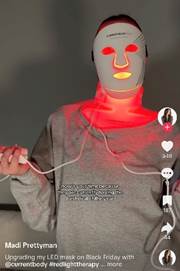
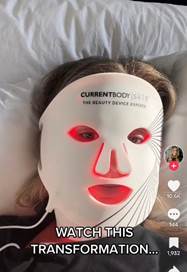
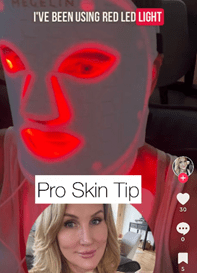
- Fight signs of aging.
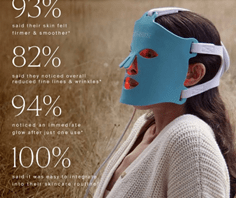
The wavelength in the red light promotes collagen production. This improves skin elasticity, diminishes pores and reduces the look of fine lines. The red light wavelength should be between 630nm and 680mn to achieve the collagen production effect. The way expert dermatologists describe it in Cosmopolitan (Balsamo, 2024) is by saying that when the red light hits the cells in our bodies, they aid our body in creating more ATP, aka cell fuel. With more ATP, our cells repair themselves, produce more collagen and even lower inflammation. In one study, 90 patients received red light therapy for 8 sessions over the course of 4 weeks and more than 90% said they saw improvements.
- The red light or the blue light?
The blue light helps with acne or rosacea. The antibacterial properties combat the bacteria often connected with those conditions. This wavelength should be between 4-5nm and 420mn. According to the Healthline(2023) in a medically reviewed article, dermatologists have been using this type of treatment for acne for the past twenty years, it’s just now becoming more mainstream and widely available to the public. They say that the wavelength of the blue light kills several types of bacteria that collect in your pores and oil glands to reduce acne break outs. In one study, 77% of people saw improvement in their acne from blue light therapy.
- Which ones to buy?
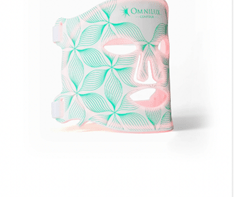
Forbes (2024) had skincare professionals and expert testers evaluate a number of LED masks to see which ones are the best. They decided that Dr. Dennis Gross’s DRx Spectralite FaceWare Pro was the best overall. They chose it for brevity of time (3 min), ease-of-use (no controller needed) and its ability to diminish signs of aging or acne. However, they noticed that it was not lightweight, flexible, or silicone, which some people prefer. The Best LED mask they chose for comfort was the HigherDose Red Light Face Mask. It is $100 less and more comfortable than the first. Or a flexible silicone mask is the Omnilux Contour Face.

The Buzzfeed style guide informed this piece by aiding me in thinking about writing it in a light-hearted, culturally relevant style. It also helped me to remember to think through culturally relevant topics, i.e. topics that are trending in interest right now. And although this topic is of great interest to American audiences, I cannot assume that about international audiences. To craft it for them, I would remove some of the culturally relevant words such as alienesque or creepy. I would use some international sources and international influencers. For writing to an American audience, though, I chose to use culturally well-respected sources such as Forbes, Healthline and Cosmopolitan. I also chose to include a link to influencers (to make it more interesting), to use numbers for evidence and fun words, such as (alienesque or creepy). This exercise will help me to remember that I can write listicles or for Buzzfeed, as I had not considered that possibility.
References
Balsamo, L. (2024, August 13) Red light therapy benefits, according to expert dermatologists. Cosmopolitan. Cosmopolitan.com
Cafasso, J. (2023, December 14) What is red light therapy and how does it work? Healthline. https://www.healthline.com/health/red-light-therapy
Sung, J. (2024, December 20) The 7 best LED face masks, based on months of editor testing. Forbes. Forbes.com
 natalia loves new york
Leave a comment